
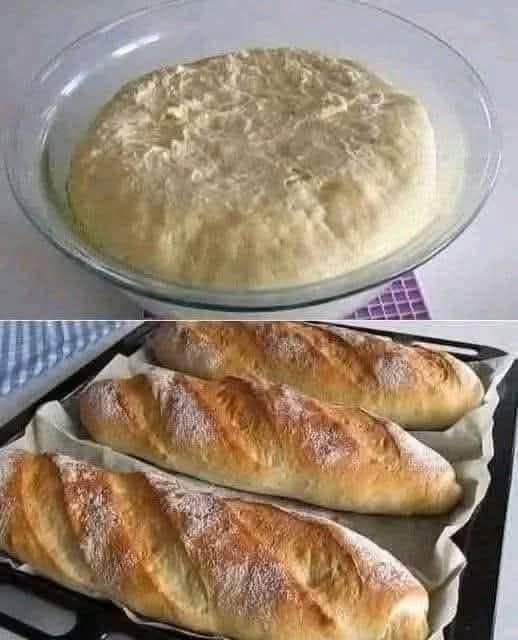
Why Make Bread at Home?
Freshness and Flavor That Store-Bought Can’t Match
Homemade bread is in a completely different category from anything packaged. Commercial breads are formulated to last on shelves and typically rely on a range of preservatives and additives to maintain that shelf life. When you bake your own, every ingredient is something you chose to put in, and the result is a loaf with a clean, honest flavor that tastes unmistakably fresh. The olive oil in this recipe adds a subtle richness and a slightly tender crumb that makes plain slices genuinely enjoyable on their own.
Fully Customizable
Once you’re comfortable with the base recipe, the possibilities for variation are nearly endless. Fold in fresh or dried herbs — rosemary, thyme, or oregano work beautifully. Add seeds to the dough or scatter them on top before baking. Mix in sun-dried tomatoes, olives, or roasted garlic for something more savory. Or try substituting a portion of the plain flour with whole wheat flour for a heartier, more nutritious loaf. The base technique remains the same; only the character of the bread changes.
Genuinely Cost-Effective
The five ingredients in this recipe are among the most affordable items you can buy. A single batch makes a full loaf that would cost several times more if purchased as an artisan bread from a bakery. For households that go through bread regularly, baking your own even a couple of times a week adds up to meaningful savings over time.
A Healthier Choice
Baking at home means you have complete control over what goes into your bread. No hidden salts, no stabilizers, no emulsifiers — just flour, yeast, water, salt, and olive oil. If you want to improve the nutritional profile further, swapping some or all of the plain flour for whole wheat flour adds fiber, minerals, and a deeper, nuttier flavor. You can also reduce the salt or adjust the olive oil to suit your preferences, something you simply can’t do with a packaged loaf.
Tips for Baking Better Bread
Consider Using Bread Flour
Plain (all-purpose) flour works perfectly well in this recipe and produces a lovely loaf. However, bread flour has a slightly higher protein content, which encourages stronger gluten development during kneading. The result is a chewier, more elastic crumb with a bit more structure — the kind of texture you’d associate with a bakery-style loaf. If you want to experiment, try bread flour the next time you make this recipe and compare the results side by side.
Don’t Rush the Rise
Bread-making rewards patience above almost any other quality. Yeast works at its own pace, and trying to accelerate either the first or second rise by placing the dough somewhere too warm can lead to uneven fermentation and off flavors. If anything, a slightly cooler environment and a longer rise produces more flavor. If you have the time, you can even do the first rise in the refrigerator overnight — the slow fermentation develops a noticeably more complex flavor in the finished bread.
Use Steam for a Crispier Crust
Professional bakers inject steam into their ovens during the first few minutes of baking to keep the surface of the dough flexible long enough for the loaf to reach its full volume before the crust sets. You can replicate this at home by placing a shallow pan of hot water on the lower rack of the oven when you put the bread in, or by misting the loaf lightly with water from a spray bottle just before closing the oven door. The result is a noticeably crisper, crackling crust with a more open crumb underneath.
Storing Your Bread
Once fully cooled, homemade bread is best stored at room temperature in a paper bag or a bread box, which allows air circulation without drying the loaf out too quickly. Plastic bags trap moisture and can make the crust go soft — fine if you prefer a softer crust, but paper is generally better for maintaining the texture. For longer storage, wrap the cooled loaf tightly in plastic wrap and then foil before freezing. Frozen homemade bread keeps well for up to three months and can be toasted directly from frozen, making it a genuinely convenient option for busy weeks.
Serving Suggestions
This bread is at its absolute best served still warm, cut into thick slices, with softened salted butter melting into the crumb. Beyond that, it works beautifully in virtually any role: as the base for a great sandwich, toasted with a drizzle of olive oil and a scatter of flaky salt, alongside a bowl of homemade soup where it can do what good bread does best — soak up every last drop of broth. It also makes exceptional toast the next morning, arguably even better than the day it was baked.
A Skill Worth Having
Learning to bake bread is one of those kitchen skills that quietly changes your relationship with food. It’s not complicated — this recipe proves that — but it does require you to slow down, pay attention, and trust a process that’s been working reliably for thousands of years. Once you’ve done it a few times, the steps become second nature, and baking a loaf becomes something you do casually on a Sunday afternoon without a second thought. That’s when it really becomes rewarding.
Fresh, warm, and made entirely by your own hands — there’s genuinely nothing quite like it. Give this recipe a try once, and there’s a very good chance the bread aisle at the supermarket stops looking as necessary as it once did.
Enjoy!
ADVERTISEMENT
