
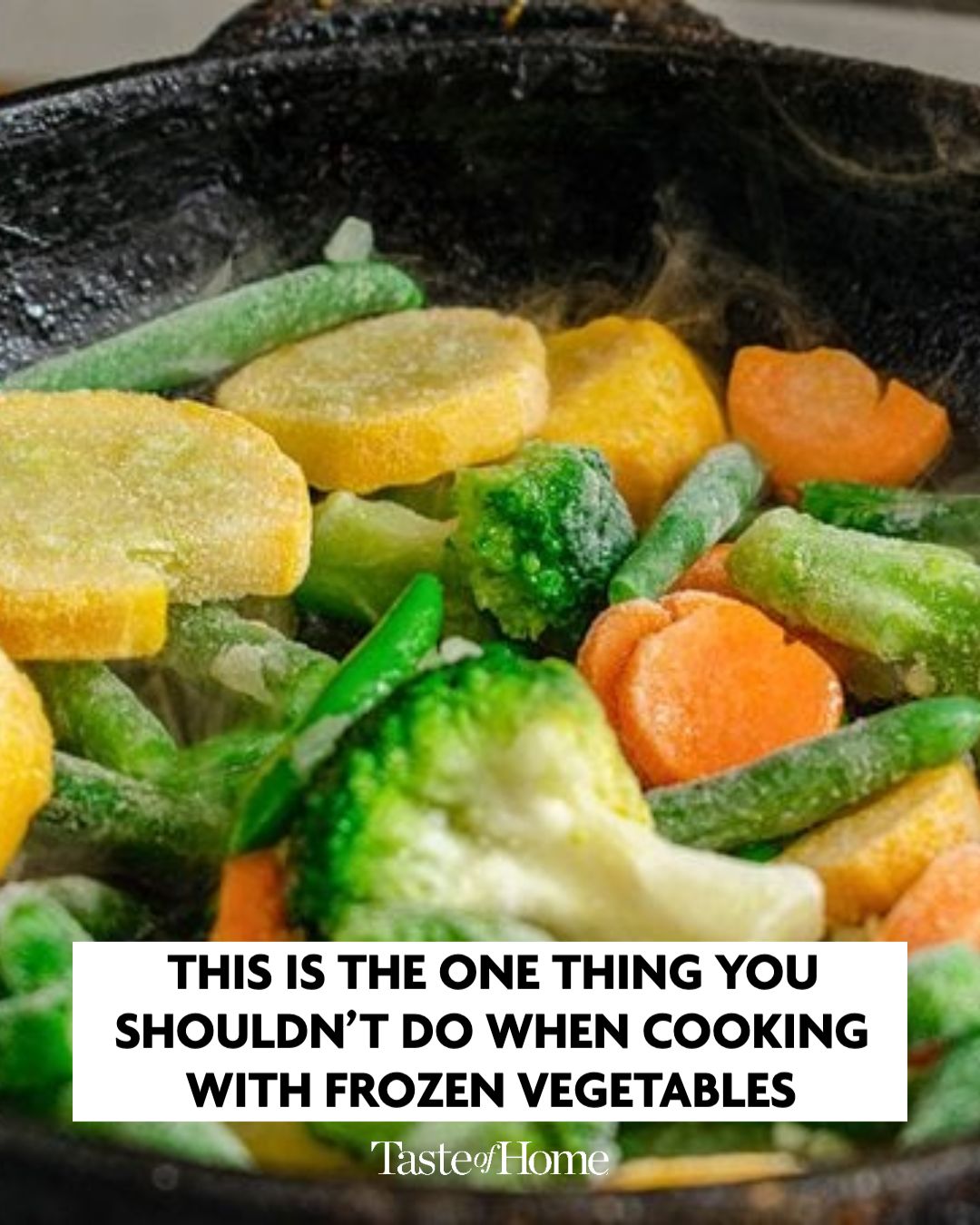
There are also a couple practical bonuses. Skipping the thaw means no waiting around for something to defrost while you’re trying to get dinner on the table, and there will be one less bowl to clean.
All this said, there are a few exceptions. Vegetables destined for dips, purees or mashes—think spinach artichoke dip or cauliflower mashed potatoes—can benefit from thawing since you’re not chasing texture in the same way. But for anything you want to roast, saute or toss into a dish with structure, frozen is the better starting point.
How to Cook Frozen Vegetables
A few small adjustments to cooking frozen vegetables will make a big difference.
Start With High Heat
Whether you’re roasting or sauteing, give your pan or oven time to fully heat up. High heat helps drive off excess moisture quickly, which is key to preventing sogginess.
Don’t Overcrowd the Pan
Spread vegetables in a single layer whenever possible. Crowding traps steam, which brings you right back to that soft, waterlogged texture you’re trying to avoid.
Skip the Rinse
It might be tempting to run frozen vegetables under water to separate them, but that adds more moisture. If they’re clumped, give the bag a few hard taps on the counter instead.
Adjust Your Timing
Frozen vegetables can take a little longer to cook compared to fresh, but not much. Smaller pieces like peas or corn heat through quickly, while larger vegetables like broccoli or cauliflower benefit from a slightly longer cook to get that golden edge.
Related:
Why Garlic Tastes Stronger (or Milder) Depending on How You Cut It
My Grandma Taught Me a Brilliant Hack for Greasing Pans
The Secret to Bright White Buttercream Might Already Be in Your Pantry
ADVERTISEMENT
