
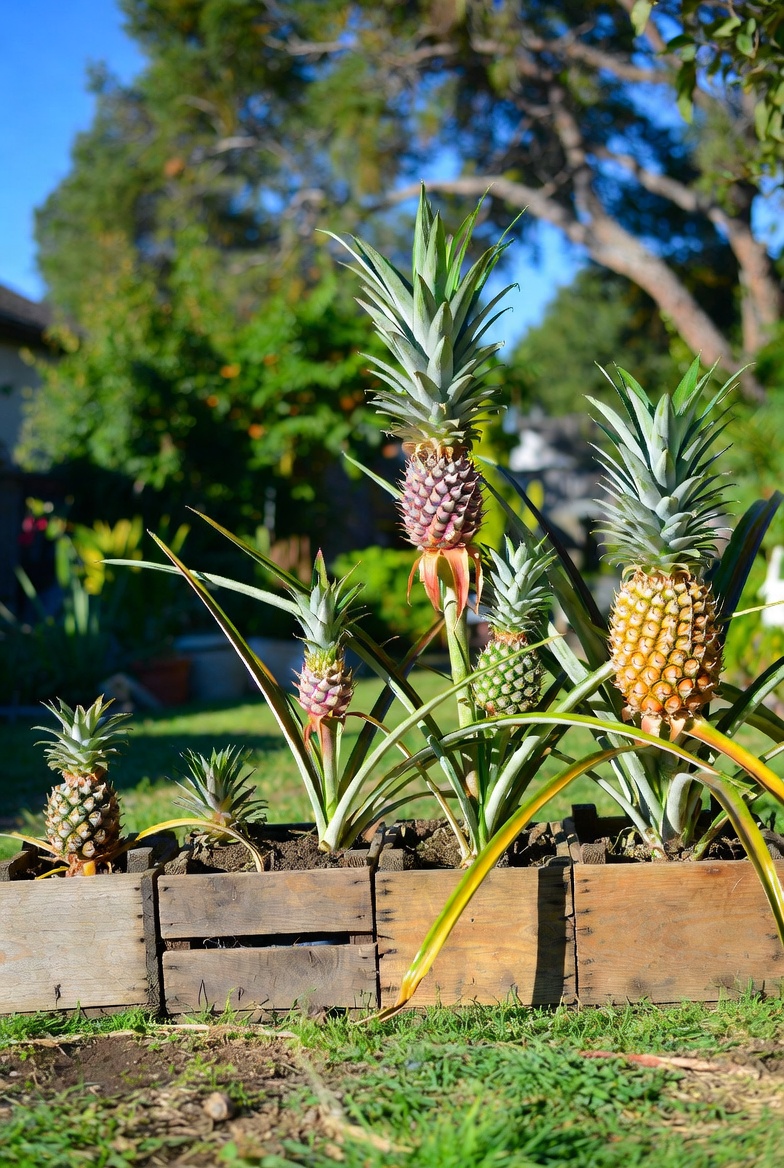
Pineapples are one of the most rewarding tropical fruits to grow at home. With their spiky leaves, sweet aroma, and vibrant golden fruit, they bring both beauty and flavor to any garden. While many gardeners assume pineapples need large fields or specialized conditions, they can actually thrive in wooden crate planters, making them perfect for patios, balconies, or small backyards. However, the key to success lies in proper fertilization. Because pineapples are slow growers and heavy feeders, providing the right nutrients at the right time ensures healthy plants and sweet, juicy fruit.
Why Grow Pineapples in Wooden Crates?
Wooden crates offer a rustic, functional solution for container pineapple gardening. They provide excellent drainage, allow root expansion, and can be customized to suit your space. Compared to plastic pots, crates are breathable, preventing root rot and heat stress. When combined with the right fertilizer regimen, crate-grown pineapples can match, or even outperform, those grown in the ground.
Other benefits include:
Mobility – Crates can be moved to sunnier areas when needed.
Soil control – You can create a custom soil mix tailored to pineapple growth.
Eco-friendliness – Reclaimed or untreated wood crates are a sustainable choice.
Understanding Pineapple Nutrition Needs
Pineapples are unique because they are part of the bromeliad family, which means they absorb nutrients differently from many other fruits. They have shallow root systems and require consistent feeding to maintain vigor. Their main nutritional needs include:
Nitrogen (N) – For healthy, green leaves and steady growth during the vegetative stage.
Phosphorus (P) – Supports strong roots and early plant development.
Potassium (K) – Essential for fruit size, sweetness, and overall plant health.
Micronutrients – Magnesium, iron, and manganese are especially important for preventing leaf yellowing and improving fruit quality.
Because pineapples grow slowly (taking 18–24 months from planting to harvest), a long-term fertilization plan is crucial.
NEXT PAGE
ADVERTISEMENT
