
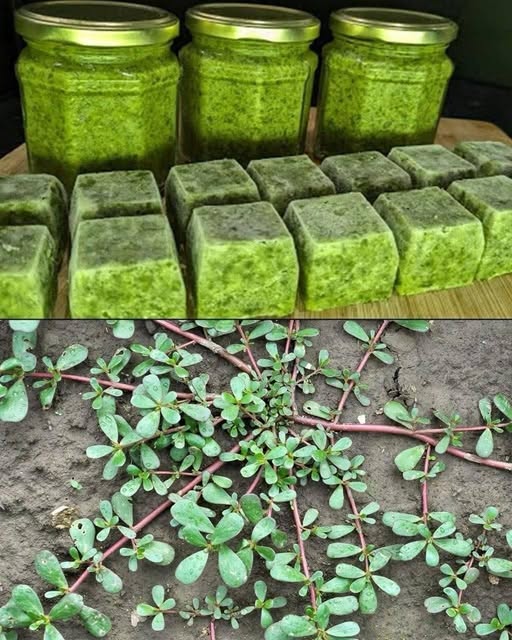
1. What Is Purslane?
Purslane is a nutritious leafy green plant that is widely consumed in many parts of the world. Its scientific name is Portulaca oleracea. It grows naturally in warm climates and is recognised by its small, thick, succulent leaves and reddish stems. Purslane has been used for centuries in Mediterranean, Middle Eastern, Asian, and Turkish cuisine.
The plant grows close to the ground and spreads quickly. Its leaves are smooth, oval-shaped, and slightly glossy. Purslane has a fresh, mildly sour, and slightly salty taste, which makes it popular in salads, yoghurt dishes, soups, and cooked vegetable meals.Fruits & Vegetables
One of the most remarkable features of purslane is that it contains a relatively high amount of Omega-3 fatty acids compared to many other leafy vegetables. Because of this, it has gained popularity in modern healthy eating trends and is often considered a “superfood”.
2. Nutritional Value
Purslane is low in calories but rich in essential nutrients. It contains vitamins, minerals, antioxidants, fibre, and healthy fatty acids.
Main Nutrients Found in Purslane
Vitamins
Vitamin A
Vitamin C
Vitamin E
Several B vitamins
Minerals
Magnesium
Potassium
Calcium
Iron
Phosphorus
Other Important Components
Omega-3 fatty acids
Dietary fibre
Antioxidants
Plant-based protein
Purslane is especially rich in alpha-linolenic acid (ALA), a plant-based Omega-3 fatty acid that may support heart health. It also contains antioxidants such as beta-carotene and vitamin C, which help protect cells from oxidative stress.
Approximately 100 grams of fresh purslane contains:
Around 20 calories
2 grams of protein
3 grams of carbohydrates
2 grams of fibre
A high percentage of water
Its low calorie content and high nutrient density make it an excellent addition to balanced diets.
3. Health Benefits of Purslane
May Support Heart Health
The Omega-3 fatty acids in purslane may contribute to cardiovascular health. These healthy fats are associated with maintaining normal heart function and supporting healthy cholesterol balance as part of a healthy diet.
NEXT PAGE
ADVERTISEMENT
