
Supports Digestion
Purslane contains dietary fibre, which may help improve digestion and support regular bowel movements. Its refreshing texture also makes it a popular summer vegetable.Fruits & Vegetables
May Strengthen the Immune System
Because it is rich in vitamin C and antioxidants, purslane may help support the body’s natural immune defences.
Supports Bone Health
The plant contains minerals such as calcium and magnesium, which are important for maintaining healthy bones and muscles.
May Benefit Skin Health
Vitamin A and vitamin E contribute to healthy skin. The antioxidants in purslane may also help protect the skin from environmental stress.
4. How Purslane Is Consumed
Purslane can be eaten both raw and cooked.
Raw Consumption
In fresh salads
Mixed with yoghurt
Added to sandwiches and wraps
Cooked Dishes
Olive oil vegetable dishes
Soups
Stir-fried meals
Pastries and savoury fillings
Smoothies and Healthy Drinks
Some people also add purslane to green smoothies or detox drinks because of its nutritional profile.
In Turkish cuisine, one of the most common preparations is purslane mixed with yoghurt and garlic. This creates a refreshing and light dish, especially during hot weather.
5. Growing Purslane
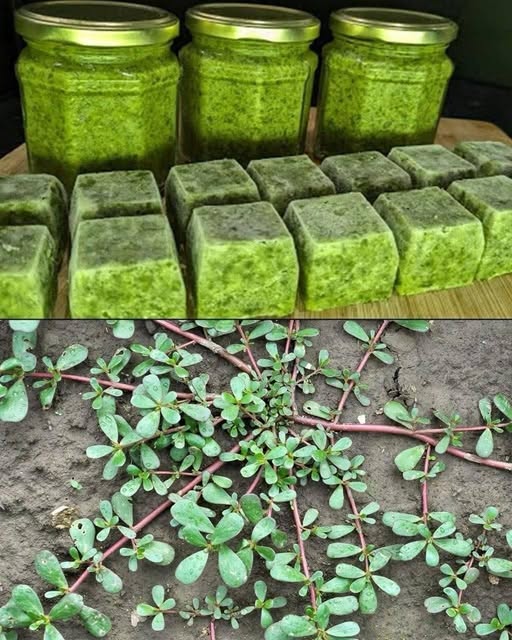
Purslane is a highly resilient plant that grows rapidly in warm weather.
Growing Characteristics
Prefers sunny environments
Requires little water
Grows quickly
Can survive in poor soil conditions
Because of its strong survival ability, some people consider it a weed. However, its nutritional value makes it far more valuable than many common garden plants.
Purslane can also be grown easily in pots or home gardens. Seeds are usually planted in spring, and the plant can be harvested within a short time.
6. Important Considerations
Purslane is generally considered safe to eat. However, it naturally contains oxalates. People with a history of kidney stones may wish to consume it in moderation after consulting a healthcare professional.
When collecting wild purslane, it is important to avoid polluted areas such as roadsides or industrial locations, since plants may absorb heavy metals from contaminated soil.
7. Historical and Cultural Importance
Purslane has been used for thousands of years. Historical records show that ancient Greeks, Romans, and Middle Eastern communities consumed it both as food and for traditional practices.
Today, purslane remains especially popular in Mediterranean cuisine. In Türkiye, it is widely used in Aegean and Central Anatolian cooking.
Its growing reputation as a healthy food is largely connected to its combination of:
Low calorie content
High nutritional value
Rich antioxidant profile
Plant-based Omega-3 fatty acids
8. Conclusion
Purslane is a highly nutritious leafy vegetable that combines rich nutritional content with versatility in cooking. Its vitamins, minerals, antioxidants, and Omega-3 fatty acids make it an excellent addition to healthy diets. Whether consumed raw in salads or cooked in traditional dishes, purslane continues to hold an important place in both traditional and modern cuisine.Fruits & Vegetables
ADVERTISEMENT
